 Ventuals
What are perpetual futures?
Perpetual futures explained: how they work, funding rates, leverage, and why perps have expanded from crypto to equities and pre-IPO markets.
Emily Hsia|Apr 17, 2026
Perpetual futures explained: how they work, funding rates, leverage, and why perps have expanded from crypto to equities and pre-IPO markets.
Emily Hsia|Apr 17, 2026
Perpetual futures and prediction markets both offer price exposure without owning the underlying — but payoffs, risks, and use cases differ. A side-by-side guide.
Emily Hsia|Apr 17, 2026
Leverage explained: how it works in perpetual futures, a worked pre-IPO example, liquidation math, and how to pick a leverage level.
Emily Hsia|Apr 17, 2026
Margin is the collateral behind every perpetual futures position. Understand initial vs. maintenance margin, margin vs. leverage, and how liquidations happen.
Emily Hsia|Apr 17, 2026
The funding rate is a recurring payment between longs and shorts that keeps a perpetual future's price anchored to spot. Here's how it works, with numbers.
Emily Hsia|Apr 17, 2026

New to perps? Here's what perpetual futures are, how they work, and the one risk you need to understand — no jargon, no prior knowledge required.
Emily Hsia|Apr 17, 2026
SpaceX shares aren't on any exchange yet. Here are three ways to get exposure before the IPO — from secondary markets to perpetual futures.
Emily Hsia|Apr 16, 2026
OpenAI shares aren't on any exchange yet. Here are three ways to get exposure before the IPO — from secondary markets to perpetual futures.
Emily Hsia|Apr 16, 2026
Private company stock is off-limits to most investors. Learn the three barriers — SEC rules, company gatekeeping, and illiquidity — and what you can do instead.
Emily Hsia|Apr 15, 2026

Learn what secondary markets are, how they work for private company shares, and how they compare to newer alternatives for pre-IPO exposure.
Emily Hsia|Apr 15, 2026
The median company now stays private for 14 years. Here's why more value creation happens before IPO and what it means for investors.
Emily Hsia|Apr 15, 2026
Special purpose vehicles let accredited investors access private companies through a single pooled deal. Here's what you need to know.
Emily Hsia|Apr 15, 2026
Find out who can invest in a company before its IPO, what each investor type can access, and how retail investors can get pre-IPO price exposure.
Emily Hsia|Apr 15, 2026
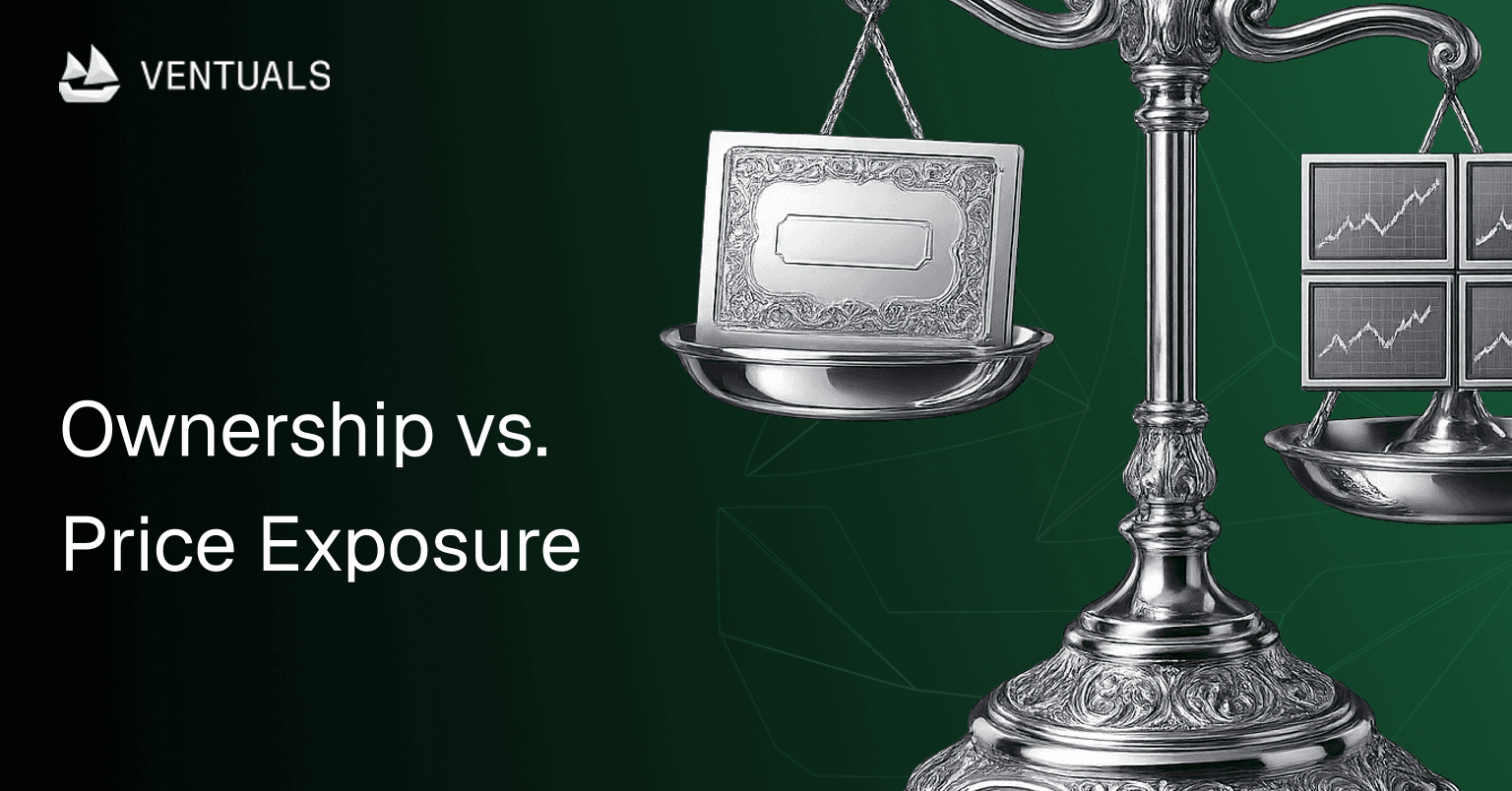
You don't have to be on the cap table to participate in a private company's upside. Learn the difference between stock ownership and price exposure.
Emily Hsia|Apr 14, 2026
An accredited investor meets SEC income or net worth thresholds to access private deals. Learn what qualifies you — and how to invest in private companies without it.
Emily Hsia|Apr 14, 2026
Retail investors can participate in top startups through crowdfunding, ETFs, and derivatives. Compare all three paths — no accreditation required.
Emily Hsia|Apr 14, 2026
Learn how to invest in private companies in 2026, including options for accredited investors, retail investors, and anyone seeking pre-IPO exposure.
Emily Hsia|Apr 13, 2026